Best Rain Barrel Mosquito Control Options for Screens, Dunks, and Overflow Gaps
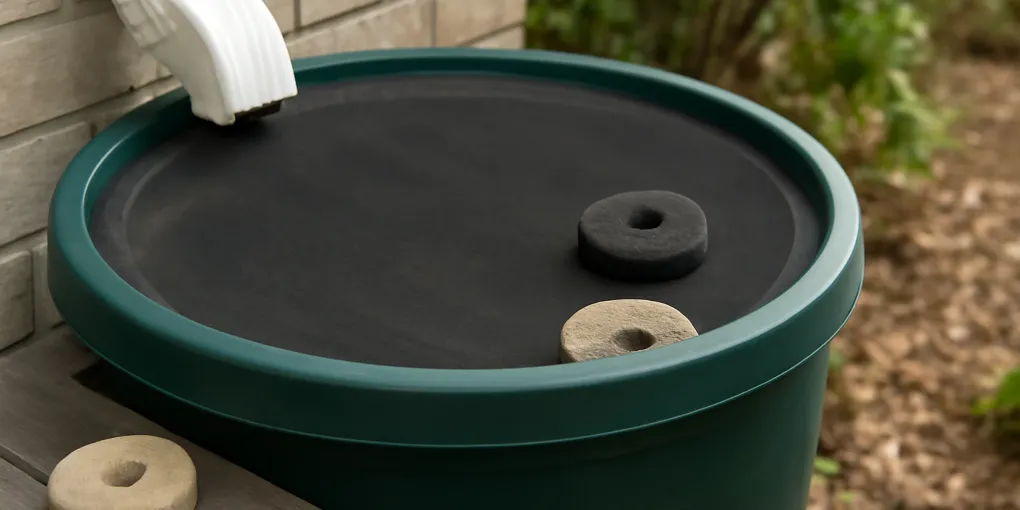
Buyer's GuideSummit Mosquito Dunks Bt rain barrel
Best biological larvicideUse Case: Treating standing barrel water
Varies
Quick picks
| Product | Key Specs |
|---|---|
| See price on Amazon |
|
| See price on Amazon |
|
| See price on Amazon |
|
| See price on Amazon |
|
Product availability, certifications, and retailer details can change; check the current Amazon page before buying.
Rain barrel mosquito control works best when you combine barriers, water treatment, and maintenance instead of relying on one product. Mosquitoes need access to standing water. A good setup blocks adults from entering, treats water that must remain stored, removes organic sludge, and closes small overflow gaps that are easy to miss.
The best purchase depends on your weak point. A sealed barrel with one screened inlet may only need Bt dunks during warm months. An open-top barrel needs a tighter lid or replacement mesh before larvicide can do much. A barrel with a loose overflow hose may keep producing mosquitoes even when the top looks secure. Start by finding the access points, then buy the smallest set of parts that closes them.
The product categories below are real, commonly available options, but listings change. Check labels, dimensions, and current photos before buying. For pesticide products, always follow the label; the label is the legal use instruction.
Quick picks
For adjacent setup choices, see our guides to rain barrel filters and screens and overflow linking kits. Mosquito control usually improves when inlet filtering and overflow routing are fixed together.
- Best first treatment for stored water: Check Amazon results for Summit Mosquito Dunks-style Bt larvicide when the barrel is covered but water remains standing.
- Best physical prevention: Check Amazon results for fine stainless or fiberglass replacement mesh fitted tightly under the lid or inlet opening.
- Best overlooked fix: screened overflow hose covers or fittings that prevent mosquitoes from entering through side outlets.
- Best habit builder: a long-handled cleaning brush or debris scoop so sludge does not become a recurring nursery.
What to inspect before buying
Walk around the barrel at mosquito height. Look for open lid gaps, torn screens, downspout openings, overflow elbows, hose ends, loose spigot washers, and any place where water sits without circulation. If a pencil can slip through a gap into a shaded wet area, mosquitoes may find it too.
Next, look inside safely. Use gloves and avoid breathing concentrated odors from stagnant water. If the bottom is covered with leaves, pollen sludge, or algae mats, clean first. Larvicide can help, but it should not be asked to compensate for a neglected container with multiple entry points.
Finally, check how often you empty the barrel. Water used every few days is lower risk than water that sits for weeks. The U.S. Centers for Disease Control and Prevention recommends emptying, scrubbing, turning over, covering, or throwing out containers that hold water as part of mosquito prevention. A rain barrel is intentionally a water container, so covering, treating, and scrubbing become the practical version of that advice.
Comparison worth making
A Bt dunk is the most direct treatment for larvae in stored water. Look for products labeled for mosquito larvae and suitable for containers, then follow the label for dose and replacement timing. Bt products are not a substitute for a lid, because adult mosquitoes can keep entering if the barrel remains open.
Replacement mesh is the better first buy when the top is torn, warped, or coarse. Fine mesh should fit tightly, resist rust, and remain easy to remove for cleaning. Too fine a mesh can clog with roof grit, so pair it with a maintenance habit. A clogged inlet can cause water to spill where you do not want it.
Overflow covers solve a different problem. Many rain barrels have a side outlet or hose that stays damp and shaded. If the hose end is open, mosquitoes may enter from the side even when the top is screened. Choose covers or adapters that preserve overflow capacity; never block an overflow so tightly that stormwater backs up toward the house.
Cleaning tools are not glamorous, but they prevent repeat problems. A brush, scoop, or wet-dry cleaning plan removes the organic material larvae feed around and keeps spigots from clogging. If your barrel smells, stains watering cans, or clogs filters, buy the cleaning tool before buying more chemicals.
How to choose the right option
Choose Bt dunks when the barrel is structurally sound, the lid is mostly secure, and you need protection during warm weeks when water remains stored. Check that the listing shows current packaging and label language. Avoid unlabeled tablets, mystery pellets, or products that do not clearly state their intended use.
Choose replacement mesh when you can see the water surface through a large opening, when the old screen sags into the barrel, or when mosquitoes appear around the lid. Measure the opening before ordering. A flat sheet may work for a simple frame, while a molded lid may need a specific replacement part or careful fastening.
Choose overflow screens when the top already looks good but mosquitoes persist. Follow the overflow path from barrel to discharge point. Screen the outlet, hose end, or air gap without reducing storm flow. If overflow water is directed near the foundation, solve drainage before focusing on insect control.
Choose cleaning tools when the barrel is dirty or hard to reach. A clean barrel is easier to inspect and less likely to clog. If the barrel opening is small, handle length and brush shape matter more than brand name.
Buyer criteria that matter
| Criterion | What to prefer | What to avoid |
|---|---|---|
| Fit | Measured lid, inlet, and overflow dimensions | Guessing based on barrel capacity alone |
| Label clarity | Current pesticide label or clear non-chemical mesh specs | Unlabeled tablets or vague “bug control” claims |
| Maintenance access | Screens and covers you can remove and rinse | Permanent covers that clog during storms |
| Drainage safety | Overflow still moves water away from the house | Blocking outlets to stop insects |
| Durability | UV-resistant, rust-resistant, outdoor-rated parts | Indoor craft mesh or brittle plastic clips |
Installation sequence
Start with cleaning. Drain the barrel to a safe area, remove leaves and sludge, rinse the inlet screen, and check the spigot. If you treat dirty water first, you may still have clogged fittings and odors that make the barrel unpleasant to use.
Then close entry points. Fit mesh under the lid, secure the downspout inlet, and screen overflow openings. Use clamps, frames, or manufacturer parts that will not wash away in a storm. Do not tape over a critical overflow path; tape can fail, clog, or hide a drainage problem.
After the physical barriers are in place, add Bt treatment if water will remain stored during mosquito season. Follow the label for volume and timing. Mark the replacement date on a calendar, lid sticker, or garden notebook. Treatment works best as a routine, not as a rescue after larvae are already obvious.
How we score this decision
| Criterion | Weight | How to apply it here |
|---|---|---|
| Research | 30% | Match the product to the actual access point: inlet, stored water, overflow, or sludge. |
| Evidence Quality | 25% | Prefer CDC/EPA prevention guidance, pesticide labels, manufacturer dimensions, and recent owner photos over generic pest-control claims. |
| Value | 20% | A cheap mesh repair can outperform repeated treatments if mosquitoes are entering through a visible gap. |
| User Signals | 15% | Read reviews for dissolved-too-fast complaints, mesh rust, poor fit, clogging, and unclear labels. |
| Transparency | 10% | Avoid products that hide active ingredients, dimensions, or use restrictions. |
Evidence notes
The CDC’s mosquito prevention guidance emphasizes removing or managing standing water containers, scrubbing containers, and covering water storage where possible. EPA mosquito control resources describe larvicides as one tool for controlling mosquitoes before they become adults, with label directions guiding safe use. Local extension and health departments often repeat the same hierarchy: remove standing water when you can, cover water storage when you cannot remove it, and treat unavoidable standing water correctly.
Those principles fit rain barrels well. A rain barrel is useful because it stores water, so the goal is not to eliminate storage. The goal is to make storage inaccessible to adult mosquitoes, hostile to larvae, and easy to maintain.
Sources to check while buying and maintaining:
- CDC mosquito prevention: https://www.cdc.gov/mosquitoes/prevention/index.html
- EPA mosquito control: https://www.epa.gov/mosquitocontrol
- Your local mosquito-control district or extension office for regional season timing and product-use guidance.
Common failure modes
A loose lid is the simplest failure. Barrels expand, settle, or warp in sun, and a lid that once fit may develop a crescent-shaped gap. Replace clips, add a proper frame, or use manufacturer parts rather than balancing a warped lid on top.
A clogged screen is the second failure. Fine mesh blocks insects and debris, but roof grit can mat over it. During a storm, clogged mesh can send water over the rim or back toward the downspout. Rinse it after heavy pollen, leaf drop, or roof work.
An open overflow is the sneaky failure. Side hoses and elbows are shaded, damp, and easy to ignore. Screen them while preserving flow. If a cover reduces capacity, use a larger screened fitting or improve the overflow route instead of pinching the outlet.
Old water is the habit failure. If you save water for weeks without using it, mosquito control has to work harder. Use stored water regularly on ornamental beds, then let fresh rain refill the barrel. If you do not need the water during a season, consider draining and disconnecting until you do.
Safety and plant-use notes
Use pesticide products only as labeled. Do not crumble, overdose, or mix products because a forum suggested it. Keep packages away from children and pets. If the barrel water is used around edible plants, read the label and local guidance carefully before applying any treatment.
Do not add oils, soaps, bleach, or household chemicals to a rain barrel as a mosquito shortcut. They can damage plants, harm beneficial organisms, create residues, or violate local stormwater expectations. Physical barriers and labeled larvicides are more predictable.
Keep roof-source water in perspective. Rain barrel water may contain roof debris, bird droppings, metals, or organic matter depending on the roof and environment. Many extension services recommend using it for ornamental landscapes rather than drinking or direct edible-leaf contact unless the system is specifically designed and maintained for that use.
Maintenance schedule
Weekly during mosquito season, check the lid, inlet, overflow, and water surface. Look for wrigglers, torn mesh, clogged screens, and low spots in hoses. After storms, confirm overflow moved water away from the house and did not leave a puddle under the hose end.
Monthly, rinse screens and inspect the barrel bottom. Replace Bt treatment according to the label or sooner if the product has washed out after heavy overflow. Keep a spare washer and a small section of mesh on hand so a minor tear does not wait for a full shopping trip.
Seasonally, drain and scrub the barrel. Spring setup and fall winterization are the best times to remove sediment, inspect fittings, and decide whether a different lid or overflow setup would reduce maintenance.
FAQ
Do mosquito dunks work in rain barrels with lids?
They can, if the product is labeled for that use and replaced on schedule. A lid still matters because it prevents adult mosquitoes from entering. Use dunks as treatment for stored water, not as permission to leave large gaps open.
What mesh size should I buy for a rain barrel screen?
Choose fine outdoor mesh that blocks mosquitoes while still allowing roof water to pass. Measure the opening and check material durability. Stainless, fiberglass, or manufacturer replacement screens are usually better than flimsy craft mesh that tears or clogs quickly.
Can I cover the overflow hose completely to stop mosquitoes?
No. The overflow must still move stormwater safely away from the house. Use a screened cover, larger screened fitting, or better-routed hose instead of blocking the outlet. A blocked overflow can create foundation and siding problems.
Why do mosquitoes remain after I added treatment?
Look for another access point or a nearby water source. Plant saucers, buckets, tarps, clogged gutters, and open overflow hoses can all breed mosquitoes. Also check whether the treatment is expired, washed out, or used outside label directions.
Should I drain the barrel if I see larvae?
If you can drain safely without causing erosion, ice, or foundation problems, draining and scrubbing is a strong reset. Then close entry points and add labeled treatment if you will store water again. If draining is not practical, follow label directions for larvicide and inspect gaps immediately.