Quick picks
Summit Mosquito Dunks Bti tablets
★ Top pick Best biological control- Best for: Treating a covered rain barrel after you have fixed screens, lid gaps, and standing-water trays nearby
- Check first: Use only as the label directs and do not treat it as a substitute for sealing openings.
Stainless steel 16-mesh screen roll
Best gap repair- Best for: Replacing torn inlet mesh or covering a small overflow vent where mosquitoes can enter
- Check first: Fasten it tightly so the mesh cannot sag into water or leave edge gaps.
OXO deep clean brush set
Best detail cleaning tool- Best for: Scrubbing screen frames, lid grooves, spigot collars, and overflow fittings where eggs and slime collect
- Check first: Use separate outdoor brushes and rinse dirty water away from edible leaves.
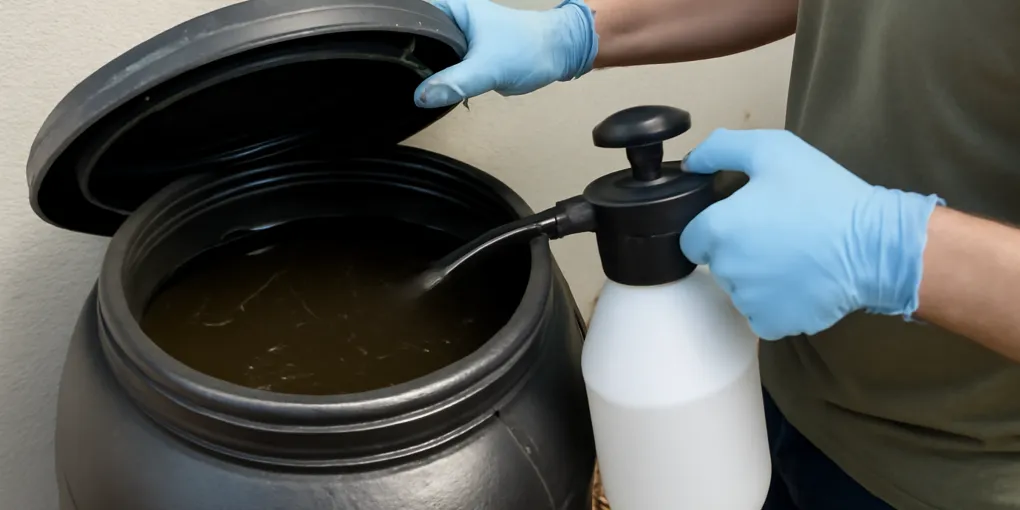
Seeing mosquito wigglers in a rain barrel is not a reason to panic, but it is a sign that the barrel is no longer a closed storage system. Adult mosquitoes found a water surface through a torn inlet screen, loose lid, open overflow, sagging leaf basket, or a separate puddle sitting on top of the barrel.
The right fix is a sequence, not one product. Confirm the larvae, remove the access point, clean the places where eggs and algae collect, then use a labeled Bti larvicide only after the barrel is covered again. If the water smells rotten, carries roof-treatment residue, or has a thick layer of debris, drain and reset the barrel instead of trying to rescue it.
Quick picks for a mosquito-larvae response
- Best biological control: Search Amazon for Summit Mosquito Dunks for a covered barrel when the label fits your water volume and use.
- Best gap repair: Search Amazon for stainless 16-mesh screen to replace torn inlet mesh or cover a small vent.
- Best detail cleaning tool: Search Amazon for OXO detail brushes for lid grooves, screen frames, and spigot collars.
If mosquitoes keep coming back after this protocol, compare your inlet parts with the rain barrel mosquito control options and the screen mesh size guide. If the water also smells sour or swampy, switch to the algae and smell cleaning protocol.
Step 1: Confirm the problem without stirring the whole barrel
Mosquito larvae usually hang near the water surface and move in short, jerky wiggles when disturbed. Use a flashlight, a white cup, or a small dipper at the inlet area. Do not plunge a dirty garden tool into the barrel and stir sediment through the outlet.
Also check for look-alikes. Tiny bits of pollen, roof grit, seed fluff, or algae can float after a storm. Larvae are alive, segmented, and mobile. If you are unsure, scoop a small sample into a clear jar, set it on a flat surface, and watch for movement for a minute.
Treat the inspection water as dirty outdoor water. Pour it onto soil away from edible leaves, pet bowls, and children play areas. Rain barrel water is for non-potable outdoor use, and larvae do not improve that status.
Step 2: Find the opening mosquitoes used
A rain barrel does not need a large hole to become a mosquito nursery. Check these spots in order:
- Inlet screen: torn mesh, warped frame, sagging leaf basket, or a screen that rests below the water line.
- Lid edge: a decorative lid that looks closed but leaves a finger-width gap at the back.
- Overflow port: an open hose barb, missing screen, or overflow hose that holds water in a low loop.
- Spigot collar: loose fitting, cracked gasket, or splash tray that stays wet.
- Top puddles: water sitting in a concave lid, planter tray, bucket, or saucer near the barrel.
The CDC mosquito guidance emphasizes removing or covering standing water around the home. That applies to the barrel and to every small container around it. A perfectly treated barrel will not help if the lid holds a shallow puddle all week.
Step 3: Decide whether to drain or treat
Use the practical decision point below.
Drain and reset the barrel when the water smells foul, the bottom is heavy with leaves, the lid cannot be closed today, roof-cleaning runoff may have entered, or the barrel sits where children or pets can touch the water. Send the water to a safe landscape area that drains away from the foundation, then scrub the inlet, lid, and outlet before the next storm.
Treat and monitor when the water is otherwise clear, the barrel is structurally sound, and you can repair the access point immediately. In that case, a labeled Bti dunk or bits product can target larvae without pretending to disinfect the water. Follow the package directions for water volume, replacement timing, and intended use.
Do not add bleach, pool shock, essential oils, soap, or vegetable oil to a rain barrel. Those shortcuts can harm plants, foul the barrel, coat screens, or send unwanted residue through a hose. The product you want is one labeled for mosquito larvae control in water, used exactly as directed.
Step 4: Clean the egg-and-slime zones
Larvae tell you that adult mosquitoes had access, but the messy zones are usually above the waterline. Scrub these before you refill or treat:
- Remove loose leaves from the inlet basket or screen.
- Brush the underside of the lid, especially grooves that stay damp.
- Rinse the screen frame from the clean side outward so debris leaves instead of packing deeper.
- Open and close the spigot briefly to flush grit from the collar.
- Check the overflow hose for a low belly that traps water.
Use a small outdoor detail brush rather than a kitchen brush you plan to bring back inside. If the barrel has a removable lid, set it on clean pavement or a tarp, not directly in mulch where more eggs and grit can stick to the damp surface.
Step 5: Repair the screen before the next rain
A rain barrel screen has two jobs: keep mosquitoes out and let storm flow in. If you make the mesh too fine or leave it sagging, the inlet can clog during a hard storm and send water over the side. If you leave the mesh loose, mosquitoes can crawl around the edge.
For most home barrels, a tight metal or fiberglass insect screen over the inlet is more useful than a floppy fabric cover. Fasten it under a rigid rim, trim frayed edges, and keep the screen above the normal water level. If overflow exits through a side port, add a small screen cap or screened hose end so the overflow is not a back door.
After the first storm, inspect the screen while water is still draining. If leaves have formed a mat, clean the gutter or add a downspout pre-filter. Do not wait until the barrel stops filling to discover that the screen is blocked.
Step 6: Add Bti only after the access point is controlled
Bacillus thuringiensis israelensis, usually sold as Bti dunks or bits, targets mosquito larvae when used according to the label. It is a maintenance tool for a covered barrel, not a license to keep an open tank of stagnant water.
Place the product where it will contact the stored water but will not block the outlet or wedge into the spigot. Note the date on painter tape under the lid or in your garden log, then replace it on the label schedule. If the barrel overflows frequently, check whether the product washed out or lodged in the overflow fitting.
If you use rain barrel water near vegetables, keep the same non-potable rule you use for roof runoff: water the soil, not edible leaves, and do not use barrel water for washing produce, hands, tools, or pet bowls.
Step 7: Recheck in three days and after the next storm
A one-time cleanup is not enough. Look again after a few warm days, then after the next rain. You should see no live larvae, no lid puddle, and no new gaps around the inlet. If larvae return, the access point is still open or another container nearby is breeding mosquitoes.
Use the repeat failure to narrow the cause:
- Larvae near the inlet usually mean torn mesh, sagging screen, or a lid gap.
- Larvae near the overflow suggest an unscreened side port or hose loop.
- Larvae outside the barrel point to saucers, buckets, tarps, clogged gutters, or a puddled lid.
A rain barrel that stays screened, shaded, and cleaned after storms should not need constant emergency treatment. The goal is boring storage: roof runoff enters through a protected screen, water leaves through a controlled outlet, and mosquitoes never get a quiet open surface.
Rain barrel mosquito larvae FAQ
Are mosquito larvae in a rain barrel dangerous to touch?
Avoid contact and wash up if you splash dirty barrel water on your skin. The bigger issue is that larvae become adult mosquitoes if the opening stays unfixed. Treat the water as non-potable outdoor water and fix the access point.
How often should I check for larvae?
Check during warm weather after heavy storms, after long still periods, and any time the lid or screen has been moved. A quick surface check during normal watering is enough when the barrel is sealed.
Can I water plants after using Bti?
Use the product label as the authority. Bti mosquito dunks and bits are commonly sold for standing-water mosquito control, but the label tells you where and how to use them. Keep rain barrel water off edible plant parts either way.
Why do larvae return after I used a dunk?
The usual reason is an unfixed opening or a nearby breeding container. A dunk does not tighten the lid, repair a torn screen, empty a saucer, or drain a low overflow hose loop.
Sources
- CDC: Mosquito control around the home
- EPA: Controlling mosquitoes at the larval stage
- Rutgers NJAES: Rain Barrels Part IV: Installation and Maintenance
- Penn State Extension: Rain Barrels
Frequently Asked Questions
- They mean adult mosquitoes reached standing water. Treat the barrel as non-potable, fix the access point, and avoid splashing the water onto edible plant parts or play areas.
- Drain it if the lid is loose, the water smells bad, the barrel is full of debris, or you cannot seal the access point. If the water is otherwise clear and the opening can be fixed, clean the screen and use a labeled Bti product instead of wasting every gallon.
- A labeled Bti dunk can kill larvae, but an open barrel keeps inviting new adults. Close the lid, screen the inlet and overflow, and remove nearby standing water at the same time.
- Do not add household bleach to stored garden water as a mosquito shortcut. Drain, scrub, screen, and use products labeled for mosquito larvae control in water.