Quick picks
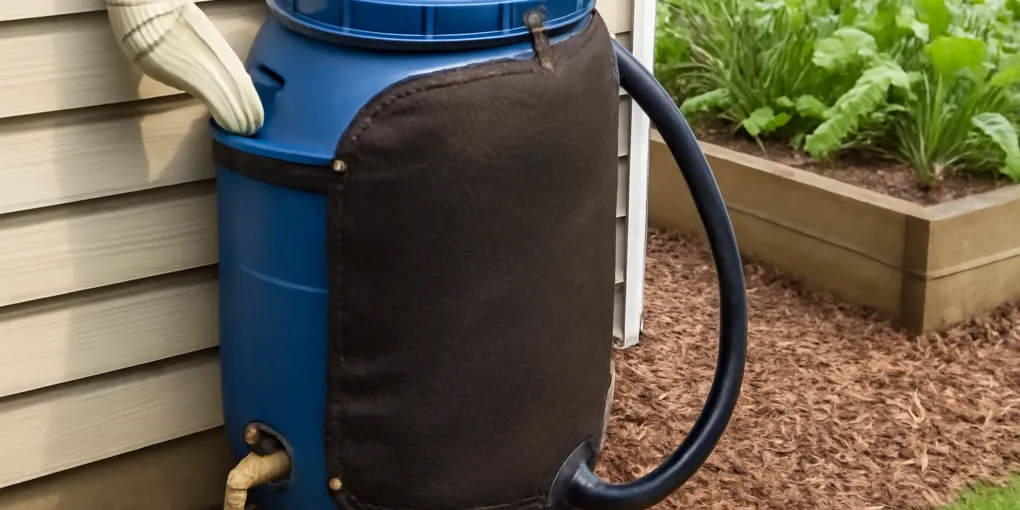
Algreen rain barrel cover
★ Top pick Best full-barrel shade- Best for: Exposed black or translucent barrels that sit in afternoon sun
- Check first: Measure barrel height and diameter; loose covers can hide leaks or block the spigot.
Agfabric sunblock shade cloth roll
Best custom fit- Best for: Odd-shaped barrels, IBC totes, and stands where a fitted cover is hard to size
- Check first: Leave the lid, overflow, spigot, and inspection points accessible.
EarthMinded rain barrel replacement lid kit
Best top-light fix- Best for: Open-top or semi-translucent barrels where light enters through the inlet
- Check first: A lid upgrade still needs a mosquito-tight screen and safe overflow route.
A rain barrel shade cover is not a magic algae cure. It is a light-control tool. Algae grows fastest when stored roof runoff has sunlight, warmth, and organic debris from leaves, pollen, or shingle grit. A cover or wrap helps most when the barrel is clean, the inlet is screened, and the water is not already full of sludge.
The right purchase depends on where the light enters. A dark barrel with a bright open lid needs a top fix. A translucent barrel or IBC tote needs side shading. A barrel tucked under trees may need easier screen cleaning more than a full cover. Start by finding the light path, then buy the least annoying product that blocks that path without hiding safety problems.
Quick picks
- Best full-barrel shade: Search Amazon for Algreen rain barrel covers for exposed barrels that bake in afternoon sun.
- Best odd-shape option: Search Amazon for Agfabric shade cloth rolls if the barrel is a repurposed drum, square tote, or custom stand setup.
- Best top-light fix: Search Amazon for EarthMinded rain barrel lid kits when sunlight enters through the inlet rather than the sidewall.
If the water already smells sour, use our algae and smell cleaning protocol before shopping. If mosquitoes are the concern, pair any cover with the screen mesh guide because shade does not seal gaps.
Which shade fix matches the barrel problem
Exposed plastic barrel in full sun:
Use a fitted UV-resistant cover or a dark breathable wrap. Look for a product that covers the sidewall from shoulder to base while leaving the spigot, overflow fitting, and lid clips visible. A wrap that has to be removed every time you fill a watering can will eventually be left off.
Avoid clear plastic covers and decorative light-colored sleeves if algae is the reason you are buying. They may make the barrel look tidier, but they do not block enough light for a translucent drum.
Open-top or semi-open inlet barrel:
Buy a lid or inlet screen upgrade before wrapping the sides. If sunlight reaches water through the top, side shade only helps a little. An opaque lid with a fine screened inlet also reduces mosquito access and leaf debris. Check that the new lid cannot be lifted by wind or curious children.
For lid stability and child-safety checks, see our lid clamp and anchor strap guide.
IBC tote or reused translucent container:
Use shade cloth, a purpose-made tote cover, or a simple dark wrap that blocks side light. Leave the metal cage visible enough to inspect corrosion, bulging, or strap movement. Do not cover labels that identify the original contents unless you already verified the container is appropriate for non-potable rainwater use.
A tote cover should not become a sail in wind. Tie it to the frame, not to a loose downspout or overflow hose.
Tree-shaded barrel with constant leaf litter:
A full cover may be less important than a removable inlet basket, a domed screen, and a cleaning routine. Shade is already present. The algae trigger is often wet organic debris sitting on the screen and washing nutrients into the barrel.
If leaves are the main issue, start with our inlet filter and lid screen guide instead of buying a cosmetic wrap.
Shade-cover setup checklist
Use a rain barrel cover only if it passes these checks:
- Blocks the actual light path. Side wrap for translucent walls, opaque lid for top entry, or both for an IBC tote.
- Leaves fittings visible. You should still see the spigot, overflow outlet, hose clamps, lid edge, and any bulging or leaks.
- Does not hold standing water. A sagging tarp on top of a barrel can become its own mosquito tray.
- Survives outdoor exposure. Garden shade cloth, UV-resistant covers, and outdoor-rated straps hold up better than indoor fabric.
- Can be removed for cleaning. If removal requires cutting zip ties every time, maintenance will slide.
Search Amazon for Algreen rain barrel covers
Fitted cover vs shade cloth vs lid upgrade
A fitted cover is the neatest choice when the barrel is close to a common round size and the spigot sits in a predictable place. Check the product dimensions against the actual widest point of the barrel, not the advertised gallon size. Many 50-gallon barrels have molded shoulders, raised lids, or spigot bosses that make a tight sleeve hard to pull down.
Shade cloth is better for odd shapes. It can wrap a square tote, a barrel in a wood frame, or a linked-barrel row without forcing one exact diameter. Choose dark outdoor cloth and fasten it so wind cannot flap it into the downspout. Cutouts should be clean and reinforced enough that the fabric does not fray around the valve or overflow.
A lid upgrade is the best purchase when the sidewall is already opaque but light, leaves, and insects enter from above. Look for a top that sheds water, supports a fine screen, and clips down securely. A flat tarp stretched over the top is usually the weakest solution because it can sag, collect standing water, and make the inlet harder to inspect.
Product details worth checking before checkout
Check these details before ordering:
- Diameter and height range: Measure the widest point after the stand, lid, and diverter hardware are installed.
- Access panels or openings: You should reach the spigot and inspect overflow without peeling the whole wrap off.
- Tie-down method: Straps should attach to the barrel or stand, not to the downspout.
- Top shape: The cover should shed rain rather than creating a shallow puddle above stored water.
- Color and opacity: Dark opaque material blocks light better than translucent decorative sleeves.
If a listing does not show measurements, buy shade cloth instead of guessing.
What not to cover
Leave these areas visible or easy to open:
- Overflow outlet: You need to see whether storm water is leaving through the planned hose or backing up across the lid.
- Spigot and washer: A slow drip behind fabric can soften the base area before you notice it.
- Lid rim: The lid still needs to sit flat and mosquito-tight.
- Stand legs and blocks: A full barrel is heavy; do not hide settling, cracks, or tilt.
- Inspection opening: You need a way to check sediment, smell, and screen condition.
A cover that makes the barrel prettier but harder to inspect is a poor algae-control tool. Rain barrels fail quietly: a small leak, a shifted stand block, or a clogged overflow can matter more than green water.
When shade will not solve the algae problem
Shade cannot compensate for a dirty barrel. If the bottom has a thick sediment layer, if the inlet screen is matted with wet leaves, or if the barrel has a rotten odor, clean it before adding a cover. Otherwise the cover may slow new growth while old organic material keeps feeding cloudy water.
Shade also does not make harvested rainwater potable. Rutgers Cooperative Extension and Penn State Extension both treat rain barrels as non-potable water systems and emphasize screens, overflow, and maintenance. Use stored rainwater for appropriate outdoor uses, and be more cautious around edible plant parts, children, pets, and indoor use.
If you water vegetables, read the vegetable garden safety setup guide before using stored roof runoff on leaves or harvestable surfaces.
Setup details that prevent cover regret
Before you install the cover, drain enough water to move the barrel safely if needed. Brush the screen, rinse the lid, and confirm overflow moves away from the foundation. Then test the cover during a hose-fill or light rain. Water should enter the barrel normally, overflow should still discharge through the planned route, and the cover should not press the downspout out of alignment.
For wraps, use straps or clips that can be opened without tools. For top covers, slope the material so water cannot pool. For IBC totes, keep the outlet valve and top cap clear.
Rain barrel shade cover FAQ
Does covering a rain barrel stop algae completely?
No. Shade slows algae by reducing light, but warm water, pollen, leaves, and sediment still matter. Clean the barrel and screen the inlet before expecting a cover to help.
Should a rain barrel cover be waterproof or breathable?
Use a cover that blocks light but does not trap hidden leaks, sag into the lid, or hold standing water. Breathable shade cloth is often easier to inspect than a tight tarp.
Is it better to move the rain barrel into shade?
Sometimes. Moving the barrel can be better than buying a cover if the new location still has a short downspout run, a level base, and overflow that drains away from the foundation.
Can I wrap an IBC tote used for rainwater?
Yes, but leave the valve, top access, frame, overflow, and inspection areas visible. A wrap that hides bulging, leaks, or algae-coated fittings creates a new problem.
Sources
- Penn State Extension, Rain Barrels
- Rutgers Cooperative Extension, Rain Barrels
- EPA WaterSense, Outdoor Water Use in the United States
For a separate shopping comparison focused on stated 275-gallon/1000L fit, fabric labels, and access openings, see IBC tote covers for rainwater storage.
Frequently Asked Questions
- No. Shade slows algae by reducing light, but warm water, pollen, leaves, and sediment still matter. Clean the barrel and screen the inlet before expecting a cover to help.
- Use a cover that blocks light but does not trap hidden leaks, sag into the lid, or hold standing water. Breathable shade cloth is often easier to inspect than a tight tarp.
- Sometimes. Moving the barrel can be better than buying a cover if the new location still has a short downspout run, a level base, and overflow that drains away from the foundation.
- Yes, but leave the valve, top access, frame, overflow, and inspection areas visible. A wrap that hides bulging, leaks, or algae-coated fittings creates a new problem.