Can You Use Rain Barrel Water on a Vegetable Garden? Safety Rules and Setup Choices
Evidence ExplainerQuick picks
| Product | Key Specs |
|---|---|
| See price on Amazon |
|
| See price on Amazon |
|
| See price on Amazon |
|
Product availability, certifications, and retailer details can change; check the current Amazon page before buying.
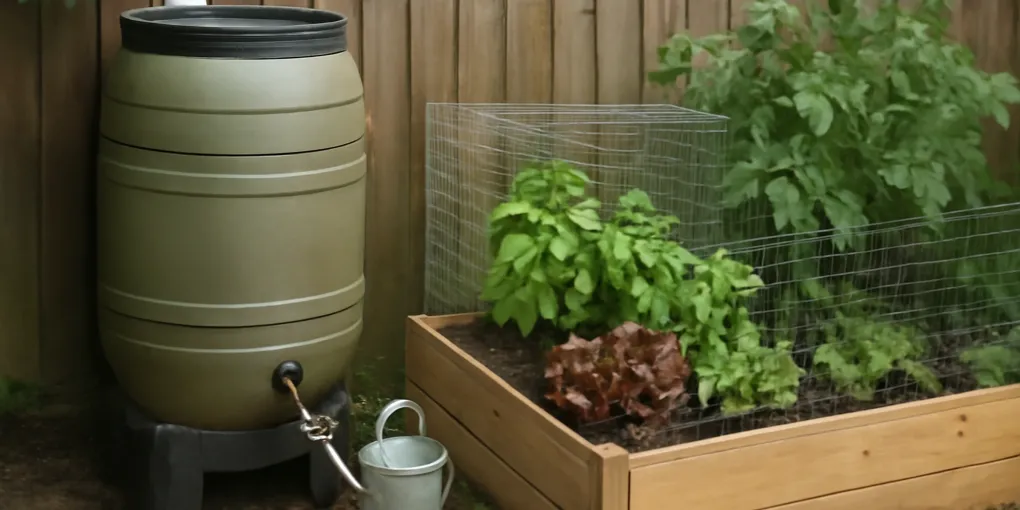
Rain barrel water can be useful in a vegetable garden, but it should be used with more care than tap water. Roof runoff can pick up bird droppings, pollen, dust, shingle particles, metals from flashing, and debris from gutters before it reaches the barrel. That does not mean every barrel is unsafe. It means the safest setup keeps stored roof water off the edible parts of crops, applies it to soil, and uses basic inlet, overflow, and cleaning controls.
The simplest rule is this: use rain barrel water around vegetables as non-potable irrigation water. Aim it at the soil, not at salad leaves. Wash produce with potable water before eating. Do not drink untreated barrel water. Avoid using it on sprouts or low-growing greens where water splashes directly onto the harvested portion. If your local extension office or municipality has stricter guidance, follow that first.
This guide is for homeowners deciding whether a barrel belongs near raised beds, tomatoes, peppers, herbs, containers, or fruiting crops. It explains where the risk comes from, which crops are better matches, and which parts are worth buying. If your main challenge is getting enough flow to the bed, read our rain barrel height and pressure guide after the safety setup is clear.
Quick setup choices for vegetable beds
- For debris and mosquitoes: Search Amazon for rain barrel leaf screen replacements. Choose a screen that seals tightly, lifts out for cleaning, and does not leave gaps at the inlet.
- For roof-runoff quality: Search Amazon for first-flush diverters. Use one when gutters collect leaves, pollen, roof grit, or bird activity before storms.
- For safer application: Search Amazon for low-pressure rain-barrel drip kits. Pick a short gravity-compatible kit so water reaches the soil with less splash.
The practical safety answer
For vegetables, rain barrel water is best used below the edible canopy. Water the soil around tomatoes, peppers, eggplants, pole beans, corn, berry shrubs, fruit trees, and ornamental companion plantings. Be more cautious with lettuce, spinach, arugula, microgreens, scallions, strawberries that sit on the soil, and herbs harvested low to the ground. These crops are more likely to contact splash, sediment, or wet leaves.
A barrel is not a treatment system. A screen keeps leaves and mosquitoes out. A first-flush diverter can reduce the first dirty pulse from the roof. A filter can protect drip emitters. None of those parts turns roof runoff into drinking water. The point is risk reduction: cleaner storage, less debris, less splash, and better habits around harvest.
If you want one conservative household rule, reserve barrel water for fruiting crops and soil-level irrigation. Use potable water for final rinsing, seedling trays, and any crop where the part you eat is repeatedly wetted by irrigation. That rule is easy to explain to family members and avoids pretending that a backyard barrel can guarantee water quality.
Where contamination can enter the system
The roof is the first contact surface. Dust, soot, pollen, leaves, bird droppings, insects, and roofing material residue can accumulate between storms. The first minutes of rain can wash a concentrated mix into the gutter. Overhanging branches, nearby trees, and bird perches increase the debris load. Older roofing, treated wood, copper features, lead-painted surfaces, and industrial air pollution can raise additional concerns.
Gutters and downspouts add their own problems. Decomposing leaves create organic sludge. Standing water can harbor insects. Loose granules and grit can settle in elbows. If the downspout empties directly into an open barrel, that material can land in storage where it is harder to remove.
The barrel then becomes a storage environment. Warm stagnant water, sunlight entering a translucent barrel, and organic debris can encourage algae, smell, and biofilm. A tight lid, dark barrel, screened inlet, and routine cleaning reduce those problems. Our rain barrel algae and smell cleaning protocol covers odor diagnosis if storage quality has already slipped.
Crop-by-crop use guide
| Crop situation | Rain barrel fit | Safer practice |
|---|---|---|
| Tomatoes, peppers, eggplants | Good fit | Water soil under mulch; avoid splashing fruit near harvest. |
| Trellised beans and peas | Reasonable fit | Keep water at soil level and avoid wetting pods. |
| Herbs in raised containers | Mixed fit | Use soil-level watering; switch to potable water close to harvest if leaves get wet. |
| Lettuce, spinach, and salad greens | Higher caution | Prefer potable water or very careful soil watering with no splash. |
| Root crops | Mixed fit | Water soil, avoid muddy splash onto tops, and wash thoroughly with potable water. |
| Seedlings and microgreens | Poor fit | Use potable water because tender edible parts are close to the growing media. |
This table is not a lab test. It is a garden decision tool. The more often stored roof water touches the part you eat, the more conservative you should be. The farther the edible portion sits from wet soil and splash, the better the barrel fits.
Tight leaf screen or inlet basket
A screen is the first part to check before using barrel water near vegetables. It keeps leaves, grit, insects, and roof debris from dropping directly into storage. It also reduces mosquito access when it fits tightly. Choose a screen that is easy to remove and rinse, because a clogged screen can push water over the barrel edge or back up a diverter.
Search Amazon for rain barrel leaf screen replacements
Best for: barrels with open tops, old torn mesh, or visible gutter debris after storms. Watch for: gaps at the rim, mesh that sags into standing water, and screens that are too fine to handle heavy leaves without frequent cleaning.
First-flush diverter
A first-flush diverter sends the initial roof runoff away from the barrel before cleaner rain continues into storage. It is most useful when the roof collects visible debris, bird droppings, pollen, or dusty dry-season residue. It is not maintenance-free. The diverter chamber needs a drain or cleanout, and the diverted water needs a safe place to go away from the foundation.
Search Amazon for rain barrel first-flush diverters
Best for: vegetable-garden systems supplied by roofs under trees or gutters that collect heavy debris. Watch for: downspout size, cleanout access, winterization needs, and whether the diverter interferes with overflow routing.
Low-pressure drip kit
A low-pressure drip kit helps apply barrel water to soil with less splash than a watering can or open hose. It also lets you water slowly under mulch, which can reduce wet foliage and runoff. Match the kit to gravity use. Standard drip parts made for household pressure may not work well from a low barrel.
Search Amazon for low-pressure rain-barrel drip kits
Best for: raised beds and containers close to the barrel. Watch for: filter clogging, long tubing runs, pressure-compensating emitters that need more pressure, and the need to flush line ends after debris events.
A safer vegetable-garden layout
Place the barrel on a stable stand near the bed it will actually water. A short route is easier to keep clean and easier for gravity to feed. Route overflow away from the foundation and away from paths where muddy water can splash back into beds. Keep the spigot high enough to connect a short hose without dragging the hose through soil.
Add the inlet screen before the first storm. If the roof and gutters are dirty, clean them before trusting the barrel near edible crops. Consider a first-flush diverter when the roof sits under trees, birds perch on the gutter, or long dry periods leave visible dust. If you install a drip kit, include a cleanable filter and a flush point at the end of the line.
Mulch can help by reducing soil splash. Drip or gentle soil watering under mulch is a better match than spraying stored water over leaves. Harvest practices matter too. Pick produce after foliage has dried when possible, discard visibly contaminated outer leaves, and wash edible portions with potable water. These steps do not make roof runoff sterile, but they reduce avoidable contact.
Maintenance schedule during the growing season
After every heavy pollen or leaf-drop period, inspect the inlet screen. Rinse it before it clogs. Check the gutter above the barrel for sludge and standing debris. If the barrel smells rotten or the water is visibly slimy, stop using it around edible crops until the barrel is drained and cleaned.
Once a month during active use, open the spigot and flush sediment away from garden beds. Clean drip filters more often if flow slows or emitters stop wetting evenly. Keep the lid closed. Repair mosquito-screen gaps immediately. If you use mosquito dunks, follow the product label and local guidance; they are intended for mosquito larvae control, not for making water food-safe.
At least once a season, drain the barrel and inspect the bottom. Sediment tells you what the roof and gutter system are contributing. A little fine grit is normal. Thick organic sludge, strong odor, or recurring algae means the inlet and cleaning routine need improvement before that water belongs near vegetables.
When not to use rain barrel water on vegetables
Do not use water collected from roofs treated with chemicals, roofs with unknown industrial residue, or surfaces where lead paint or contaminated dust may wash into the barrel. Be cautious with old buildings, workshops, and structures near heavy traffic or industrial emissions. Do not use barrel water after a dead animal, sewage backup, chemical spill, or pesticide application contaminates the roof, gutter, or barrel.
Do not use stored roof water for washing harvested vegetables in the kitchen. Do not put it in drinking bottles. Do not use it for indoor seed sprouting. Do not assume a clear barrel is safe because it looks clean. Microbial and chemical issues are not always visible.
If anyone in the household is pregnant, immunocompromised, elderly, or very young, use a more conservative approach for crops eaten raw. That can mean using barrel water only for ornamentals, fruit trees, or soil around crops that will be cooked, while using potable water for salad crops and final washing.
How we score a vegetable-garden rain barrel setup
| Criterion | Weight | How to apply it here |
|---|---|---|
| Research | 30% | Start with extension and public-health guidance that treats roof runoff as non-potable irrigation water. |
| Evidence Quality | 25% | Prefer visible controls you can inspect: screens, clean gutters, first-flush maintenance, soil-level application, and harvest washing. |
| Value | 20% | Buy parts that reduce contact and debris before spending on decorative barrels or long tubing runs. |
| User Signals | 15% | Odor, algae, sediment, clogged screens, and splash on edible leaves are signals to stop and correct the setup. |
| Transparency | 10% | Label the barrel as non-potable and make household rules simple enough that guests and kids do not misuse it. |
FAQ
Is rain barrel water safe for tomatoes?
It can be a reasonable fit when applied to the soil, especially under mulch, because the harvested fruit is usually above the wet soil. Avoid spraying the foliage or fruit, and wash tomatoes with potable water before eating.
Can I use rain barrel water on lettuce?
Lettuce is a higher-caution crop because the edible leaves sit close to soil and are often eaten raw. If you use barrel water, apply it very carefully to the soil with minimal splash. A conservative choice is potable water for salad greens.
Does a first-flush diverter make roof water safe to drink?
No. A first-flush diverter can reduce the dirtiest initial runoff entering the barrel, but it does not make the stored water potable. Treat barrel water as non-potable unless it has been properly tested and treated for the intended use.
Should I filter rain barrel water before drip irrigation?
Use a cleanable filter to protect drip emitters from sediment and organic debris. That filter helps the irrigation system work; it is not the same as treating water for human consumption or produce washing.
Sources
- Rutgers New Jersey Agricultural Experiment Station, rain barrels and rainwater harvesting around homes: https://njaes.rutgers.edu/fs1218/
- University of Minnesota Extension, collecting and using rainwater safely: https://extension.umn.edu/water-wisely-start-your-own-backyard/rain-barrels
- U.S. Environmental Protection Agency, rain barrels and soak up the rain guidance: https://www.epa.gov/soakuptherain/soak-rain-rain-barrels
- University of Georgia Extension, rain barrel construction, placement, and maintenance guidance: https://extension.uga.edu/publications/detail.html?number=C915