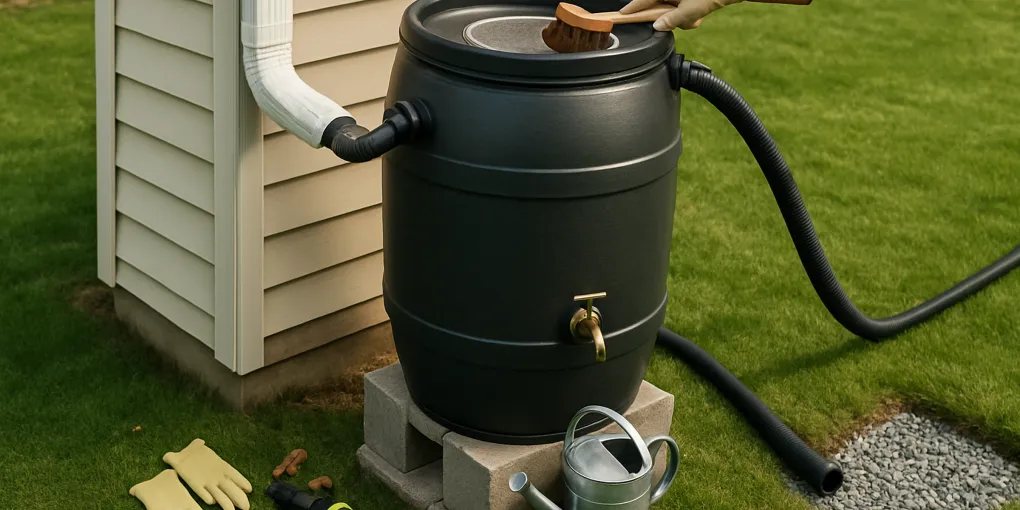
Rain Barrel Seasonal Maintenance Schedule: What to Check After Storms, Heat, and Frost
ProtocolQuick picks
Rain barrel cleaning brush and fitting brush kit
★ Top pick For monthly sediment checks- Use Case: Scrubbing screens, spigots, overflow fittings, and the barrel wall during scheduled maintenance
- Best For: Owners who want one small kit for recurring cleaning
- Watch For: Soft bristles, long handle, multiple small brush sizes, and no sharp wire tips
Replacement inlet screen and winter diverter cap
For seasonal readiness- Use Case: Replacing damaged screens and bypassing the barrel before freezing weather
- Best For: Older barrels, cold climates, and downspout diverter setups
- Watch For: Correct kit brand, cap size, mesh fit, gasket condition, and off-season storage
A rain barrel maintenance schedule keeps small problems from becoming leaks, clogs, mosquitoes, or foundation water. The schedule does not need to be complicated. After storms, check the inlet and overflow. During hot weather, check the lid and water quality. Before freezing weather, drain and bypass the barrel.
Most owners wait until the barrel smells, stops flowing, or overflows beside the house. A better schedule follows the weather. Rain brings leaves and roof grit. Heat brings algae and mosquito pressure. Cold brings ice risk. Match the check to the season and the barrel will be easier to use.
This guide assumes a small residential barrel used for non-potable garden watering. For deeper fixes, use our guides to overflow routing away from the foundation, algae and smell cleanup, and winterizing a rain barrel.
Quick picks
These are not required for every barrel, but they make the schedule easier to follow.
- Maintenance brush kit: Search Amazon for rain barrel cleaning brushes for screens, spigots, overflow ports, and inside-wall film.
- Seasonal replacement parts: Search Amazon for screens and winter caps if the inlet mesh is brittle or the diverter cap went missing.
After every heavy storm
Start at the top. Look at the inlet screen or diverter hose while the memory of the storm is fresh. Leaves, roof granules, pollen, and shingle grit can mat on the screen and slow the next fill. If water splashed across the lid instead of entering cleanly, brush the screen and check whether the downspout elbow moved.
Then look at overflow. The barrel should not spill beside the foundation after it is full. Confirm the overflow hose is still attached, slopes away from the house, and is not buried in mulch or pinched behind the stand. If the barrel uses a diverter that returns excess water to the downspout, check the downspout outlet or splash block too.
Finally check the stand and ground. A full 50-gallon barrel is heavy. Soft soil, tilted pavers, rotting wood, or a shifting base should be fixed before the next storm. If you see leaning, stop using the barrel until the base is level and stable.
Monthly during the watering season
Once a month, test the actual water path. Fill a bucket from the spigot and watch the flow. If the stream is weak, remove the hose and test again. A hose, shutoff valve, or small screen may be clogged before the spigot itself is the problem.
Brush the spigot threads, wipe the screen, and look inside the barrel with the lid safely open. A thin film on the wall is common, but thick sludge, bad odor, floating mats, or visible larvae call for a cleaning session. Use a soft brush and small fitting brushes rather than sharp tools that can damage plastic or washers.
Search Amazon for rain barrel cleaning brush and fitting brush kits
Best for: monthly screen cleaning, spigot tuneups, and light wall film. Watch for: soft bristles, a long handle, several small brush sizes, and no exposed sharp wire. Keep these tools with outdoor supplies so they are not confused with kitchen brushes.
During hot mosquito weather
Heat changes the schedule. CDC mosquito guidance stresses removing, covering, or treating standing water around the home. A rain barrel is useful because it stores water, but that also means the lid, screen, and overflow must stay tight.
Check for gaps around the downspout, lid, overflow hose, and spigot. Use stored water regularly so it does not sit longer than needed. If the barrel remains partly full and local conditions support mosquitoes, use only a labeled Bti product according to directions. Do not treat Bti as a way to make water potable, and do not add more than the label allows.
Hot weather is also when algae and smell show up. Shade can help, but cleaning and water turnover matter more than hoping the barrel stays fresh by itself.
Midseason sediment reset
Halfway through the watering season, drain the barrel low enough to see the bottom. Sediment that sits below the spigot can feed odor, clog hoses, and make the water path gritty. If the bottom has a heavy layer, drain the barrel onto soil away from doors and storm drains, then remove sludge with a soft brush, scoop, or wet-rated vacuum used safely.
This is the right time to inspect gaskets, spigot washers, and overflow fittings. Tighten only enough to stop leaks. Overtightening plastic bulkhead fittings can distort washers and create worse drips.
If the barrel feeds drip tubing or a soaker hose, flush the first gallon into a bucket before reconnecting the line. It is easier to catch grit at the barrel than to clean every emitter later.
Before travel or long gaps
If you will be away during warm weather, do not leave a questionable barrel half full with a loose screen. Either make the lid and overflow mosquito-tight, use water down before leaving, or drain the barrel. Ask someone to check the overflow after a major storm if the barrel sits near the house.
Also disconnect accessories that can fail unattended. Battery timers, small pumps, and long hoses should not be left running from a barrel unless you have already tested them with the barrel half full and the overflow route clear.
Fall and winter shutdown
Before hard freezes, stop collecting water. Drain the barrel, disconnect hoses, remove small plastic fittings that can split, and set the diverter to bypass the barrel. If the kit uses a winter cap, install it before the first freeze rather than searching for it during sleet.
Search Amazon for rain barrel replacement inlet screens and winter caps
Best for: cold-climate diverter systems, older lids, and barrels with missing bypass parts. Watch for: kit brand, cap size, screen diameter, gasket fit, and where the parts will be stored off-season. A missing cap can force an improvised winter bypass that leaks against the house.
Store the barrel upside down or covered if the manufacturer allows it. Keep the stand stable and keep downspout water routed away from the foundation all winter.
Spring restart checklist
When freezing weather has passed, reconnect slowly.
- Confirm the stand is level and solid.
- Reinstall the spigot, washers, screen, and overflow hose.
- Set the downspout or diverter back to fill mode.
- Run the first storm water through the system while watching for leaks.
- Flush the first bucket from the spigot before connecting drip tubing.
- Check that the lid closes tightly after cleaning.
A spring restart is also a good time to replace brittle screens, cracked hoses, and missing washers. Small parts are cheaper than repairing water damage from an avoidable overflow.
FAQ
How often should I clean a rain barrel?
Inspect the inlet screen after storms, check flow monthly during the watering season, and do a deeper clean when water smells, sediment is visible, flow drops, or the barrel is being winterized. A heavily shaded or debris-heavy roof may need more frequent cleaning.
What should I check after a heavy storm?
Check the inlet screen, overflow hose, barrel stand, ground around the foundation, and spigot flow. The important question is not only whether the barrel filled, but whether extra water went safely away from the house.
What changes during hot weather?
Hot weather raises mosquito and algae risk. Keep the lid tight, clean the screen, use stored water before it sits too long, and follow the label if you use a Bti mosquito-control product.
When should I shut down a rain barrel for winter?
Shut it down before hard freezes. Drain the barrel, disconnect hoses, bypass the downspout or diverter, remove small fittings that can split, and store caps and screens where you can find them in spring.
Sources
- Penn State Extension, Rain Barrels
- Rutgers Cooperative Extension, Rain Barrels
- CDC, Mosquito Bite Prevention Around Your Home
- EPA, Controlling Mosquitoes at the Larval Stage