Quick picks
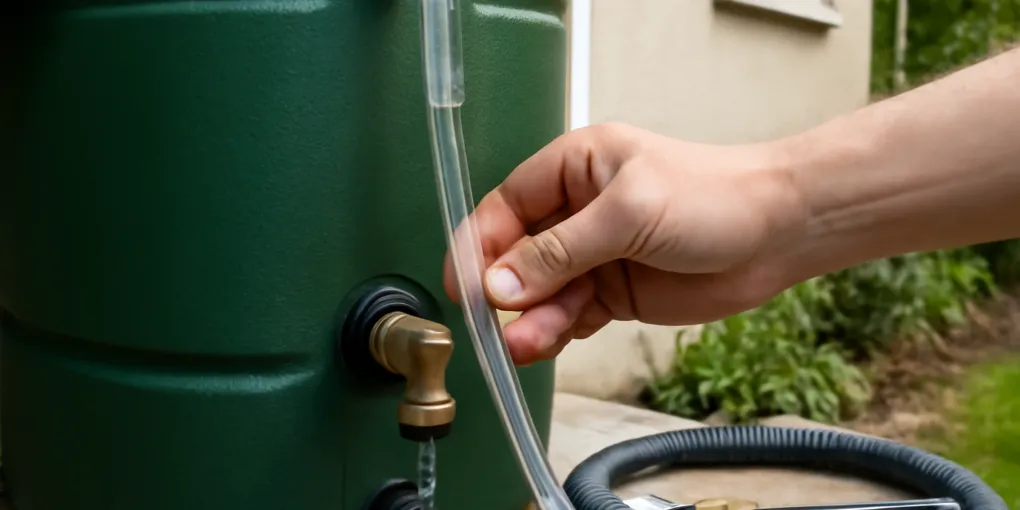
Clear rain barrel sight tube kit
★ Top pick Best visible reading- Best for: Opaque barrels, raised stands, and gardeners who fill watering cans or short hoses
- Check first: Check UV-resistant tubing, hose-barb size, shutoff clamps, and leak-free bulkhead fittings before drilling.
Mechanical float level indicator
Best no-drill fallback- Best for: Decorative barrels where side drilling would void the warranty or look messy
- Check first: Confirm lid clearance, float travel, wind movement, and whether the indicator creates a mosquito gap.
Bulkhead fitting and clear vinyl tube parts
Best DIY repair- Best for: Converted drums, IBC totes, and owners comfortable drilling a clean round hole
- Check first: Match food-safe materials, gasket compression, wall thickness, and room to tighten the nut before assembly.
Wide inspection lid with screened opening
Best low-tech check- Best for: Barrels that collect leaf grit, shingle granules, algae, or sediment
- Check first: Keep openings screened and latched, and confirm child-resistant fit and replacement gasket size.
An opaque rain barrel has one annoying flaw: it hides the answer to the question you need before watering. Is there enough stored water for the raised bed, or are you about to drag a hose across the yard for nothing? A rain barrel water level gauge can help, but the best choice depends on whether you are willing to drill the barrel, whether the lid is safe to open, and whether winter freezing is part of your season.
For most backyard barrels, a clear side sight tube is the easiest everyday reading. It shows the same water height as the barrel interior, so you can glance at the tube before starting a watering can, soaker hose, or low-pressure drip setup. The tradeoff is simple: every extra hole is another place to leak. If the barrel is decorative, rented-property friendly, or still under warranty, a float indicator or screened inspection lid may be the better first move.
Quick picks for a leak-resistant sight tube setup
- Best visible reading: Search Amazon for rain barrel sight tube kits if the barrel is opaque and you are comfortable installing sealed fittings.
- Best no-drill option: Search Amazon for rain barrel float indicators when the lid design can hold a marker without leaving an insect gap.
- Best DIY repair: Search Amazon for bulkhead fittings and clear tube if you already maintain a converted drum or IBC tote.
- Best low-tech check: Search Amazon for screened rain barrel lids when you mainly need safe access for inspection and cleaning.
If the level reading is really a pressure problem, start with our rain barrel height and pressure guide or pump versus gravity irrigation guide. If the water is not arriving in the barrel, use the slow-fill troubleshooting guide before buying a gauge.
How a clear sight tube works
A sight tube is a transparent vertical tube connected near the bottom of the barrel, usually at or near the spigot height. Water in the tube rises to the same level as the water inside the barrel. That makes the reading easy from a few feet away, especially on black, blue, or decorative resin barrels where tapping the side tells you very little.
Look for UV-resistant clear tubing, a lower fitting that matches the barrel wall thickness, a screened top vent or return point, and clips that hold the tube against the barrel. A floppy tube can kink, get pulled by the hose, or crack at the fitting.
Search Amazon for rain barrel sight tube kits
Do not install a sight tube where a bump from a mower, wheelbarrow, or foot traffic can snap it off. A level gauge is useful only if it does not create a new leak path next to the house.
When a float indicator is better
A float indicator can be a better fit when you do not want to drill the barrel. Some designs place a small float inside the barrel with a rod or marker that rises through a protected opening. Others use a visible marker under a translucent lid. They are less precise than a sight tube, but they can answer the practical question: nearly empty, half full, or ready to water.
The safety detail is the opening. The Centers for Disease Control and Prevention recommends tightly covering water-storage containers to reduce mosquito breeding. A float indicator that leaves an open lid slot defeats that point. Choose a design that stays screened or sealed, and check it after wind and heavy rain.
Search Amazon for rain barrel float indicators
Float indicators are also easier to remove before freezing weather. If your barrel gets disconnected each winter, a removable marker may be less fussy than a side tube and two bulkhead fittings.
DIY sight tube parts: what to measure first
A DIY gauge is simple, but the measurements matter. Measure the barrel wall thickness, the hole size required by the bulkhead fitting, the distance from the lower fitting to the highest useful water mark, and the tubing inner diameter. Use a gasketed fitting designed for liquids, not a random cable gland or decorative pass-through.
Before drilling, decide whether the lower fitting will sit above sediment. Too low and the tube can collect grit that makes the reading cloudy. Too high and the gauge says empty while there is still usable water below the fitting. Most backyard setups work best with the lower connection a little above the spigot outlet or at the same practical drawdown height.
Search Amazon for bulkhead fittings and clear tube
After installation, fill the barrel only a few inches, dry the outside, and watch the fitting. Then fill to half height and check again. A slow weep at a sight-tube fitting can soak a stand, attract insects, and undermine soil before it looks dramatic.
Why an inspection lid still matters
A gauge tells you water height. It does not tell you whether leaves, shingle grit, algae, or mosquito larvae are building up inside. Extension rain-barrel guidance from the University of Minnesota and Penn State emphasizes covered barrels, screened openings, overflow routing, and routine cleaning. A safe inspection lid helps you check the conditions a level gauge cannot show.
That does not mean leaving the lid loose. Use a lid that fits tightly, resists wind, and keeps children, pets, wildlife, and insects out. If the lid has an inspection port, it should close securely and include screen where water or air can enter. For child and pet concerns, pair this with our rain barrel child and pet safety setup checklist.
Search Amazon for screened rain barrel lids
Winter and maintenance checklist
A water-level gauge adds small parts that need seasonal attention:
- Drain or remove clear tubing before hard freezes.
- Brush algae from the tube exterior so the level stays readable.
- Inspect gaskets after the barrel has sat empty and hot.
- Keep the tube clipped to the barrel so hose movement cannot tug the fitting.
- Confirm the top vent or return point is screened or sealed.
- Recheck for leaks after moving the barrel or stand.
The EPA describes rain barrels as a way to capture roof runoff for outdoor uses and reduce stormwater runoff around the home. That benefit disappears if the gauge installation leaks next to the foundation or if an open level-check hole invites mosquitoes. Buy the simplest indicator that answers your real question, then keep it sealed, supported, and easy to winterize.
Common buying mistakes
The most common mistake is buying a gauge before measuring the barrel. A molded decorative barrel may have curved sides, ribs, or a recessed panel that will not seal well with a flat gasket. A converted drum may have enough flat wall for a bulkhead fitting, but the lower hole still needs room for a nut, washer, and hand access inside the barrel. If you cannot reach the backside of the fitting, choose a kit designed for blind installation or avoid drilling.
The third mistake is reading a gauge as a watering guarantee. A half-full barrel may be enough for a watering can but not enough for a timer-fed drip zone. Pair the level reading with a quick flow test at the hose end, especially when a filter, timer, or long tube run is attached.
Finally, do not leave any new top opening unscreened. A gauge that helps you conserve water is not worth creating a new mosquito entry point.
Rain Barrel Works FAQ
Should I choose a sight tube or a float indicator?
Choose a sight tube when you want the clearest side reading and can install leak-free fittings. Choose a float indicator when drilling is a bad fit, the barrel is decorative, or you disconnect the system every winter.
Can I use the gauge to estimate pressure for drip irrigation?
Only roughly. More water height usually means slightly more pressure, but gravity-fed systems still lose flow through filters, timers, tubing, and emitters. Use the gauge as a planning clue, not as a pressure regulator.
Will a clear tube grow algae?
It can. Sunlight plus stored rainwater can green the tube over time. Place the tube where it is visible but not baking all day, and clean or replace it when the reading becomes hard to see.
Are direct product pages better than search results for these parts?
For this category, compatibility depends on barrel shape, hole size, tubing diameter, and lid design. Use the search links above to compare current kits against your exact measurements before ordering.
Sources
- University of Minnesota Extension: Rain barrels
- EPA: Soak Up the Rain - Rain Barrels
- Penn State Extension: Rain Barrels
- CDC: Preventing mosquitoes around your home
Frequently Asked Questions
- A clear sight tube mounted near the spigot side gives the most visible reading, but it adds two fittings that must be leak-tested. If drilling is not acceptable, use a compatible float indicator or a screened inspection lid.
- No. A passive sight tube or float indicator only shows the level. Water pressure still depends on water height above the outlet, hose length, restrictions, and whether you are using gravity or a pump.
- Keep the lower sight-tube connection above the dirtiest sediment layer and away from the spigot nut, molded ribs, stand edge, and any place a hose will hit. Many barrels work best with the lower fitting close to spigot height but not crowding it.
- Measure barrel wall thickness, the flat area available for a gasket, the tubing inner diameter, the hole saw size, and whether you can reach the backside of the fitting. Those measurements matter more than the product photo.